Kids discovery
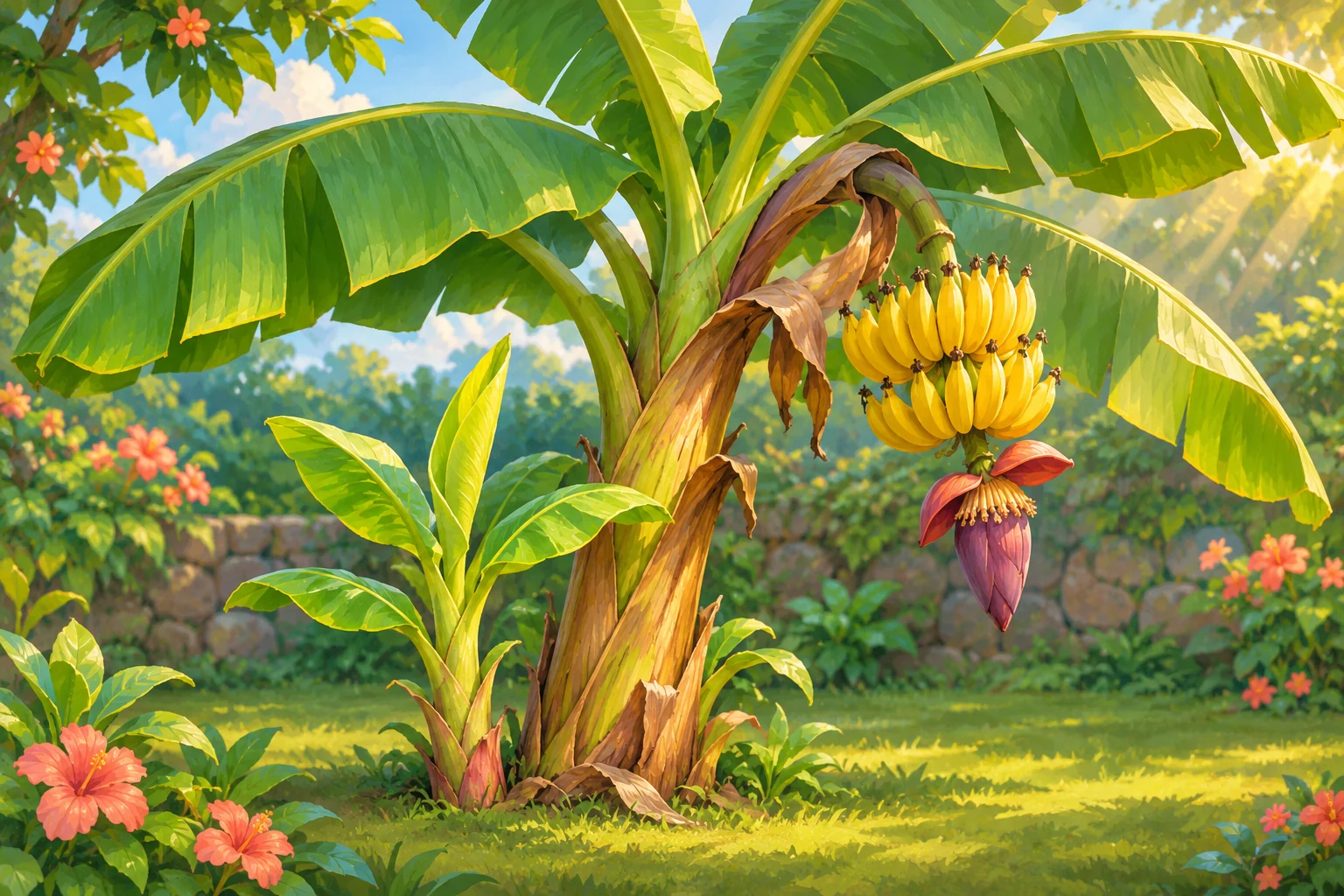
Why a Banana Plant Can Live On After Its Fruiting Shoot Dies
Follow the leaf sheaths, underground stem and two labelled shoots to see how a banana mat continues without restarting a spent shoot.
For curious kids and the grown-ups beside them. Pick a picture, try a game, or follow a question together.
You don’t need all the answers. A little curiosity is enough.
A hand for grown-ups
Let your child choose. One small moment is a lovely place to start.
Try asking: What caught your eye?
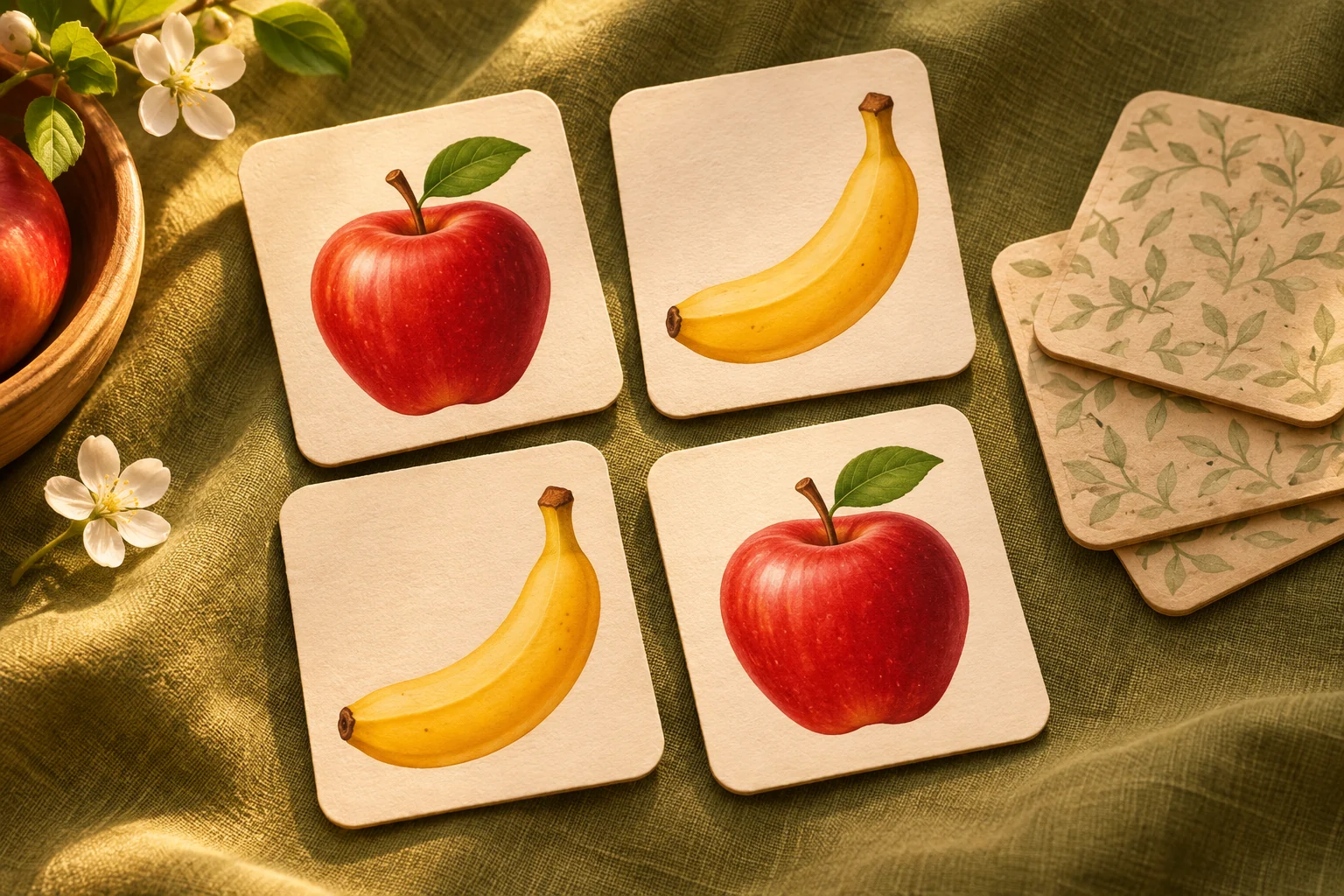
Try asking: What helps you remember it?
Try asking: What else could your shape be?
Point, talk, draw or read. There is more than one way to join in.
 Fruits
 Vegetables
 Nature & science
 Creative activities
 Kids discovery
 Games
27 stories to discover
Follow the leaf sheaths, underground stem and two labelled shoots to see how a banana mat continues without restarting a spent shoot.
Dissolved material and pressure make different contributions to water potential. Follow imaginary cell records to see how they can balance without removing the solute.
Follow a private drawing lesson to separate air-relative glide, wind drift and forward ground progress—then compare two invented glides without launching anything.
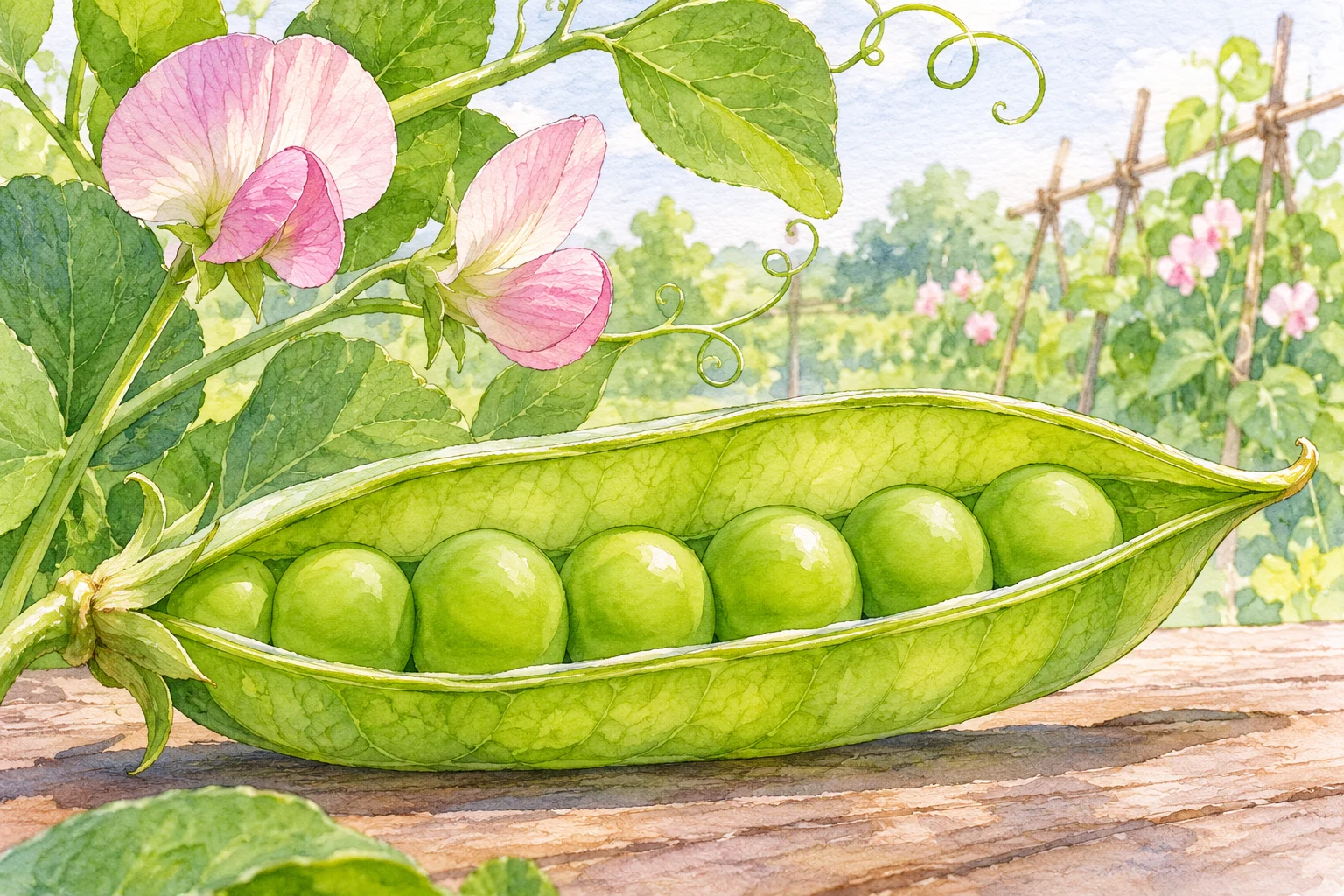
Use labeled drawings to follow a pea pod’s joined margins, back region and opening wall sections, then explore what one or two gaps do to a simple ring.
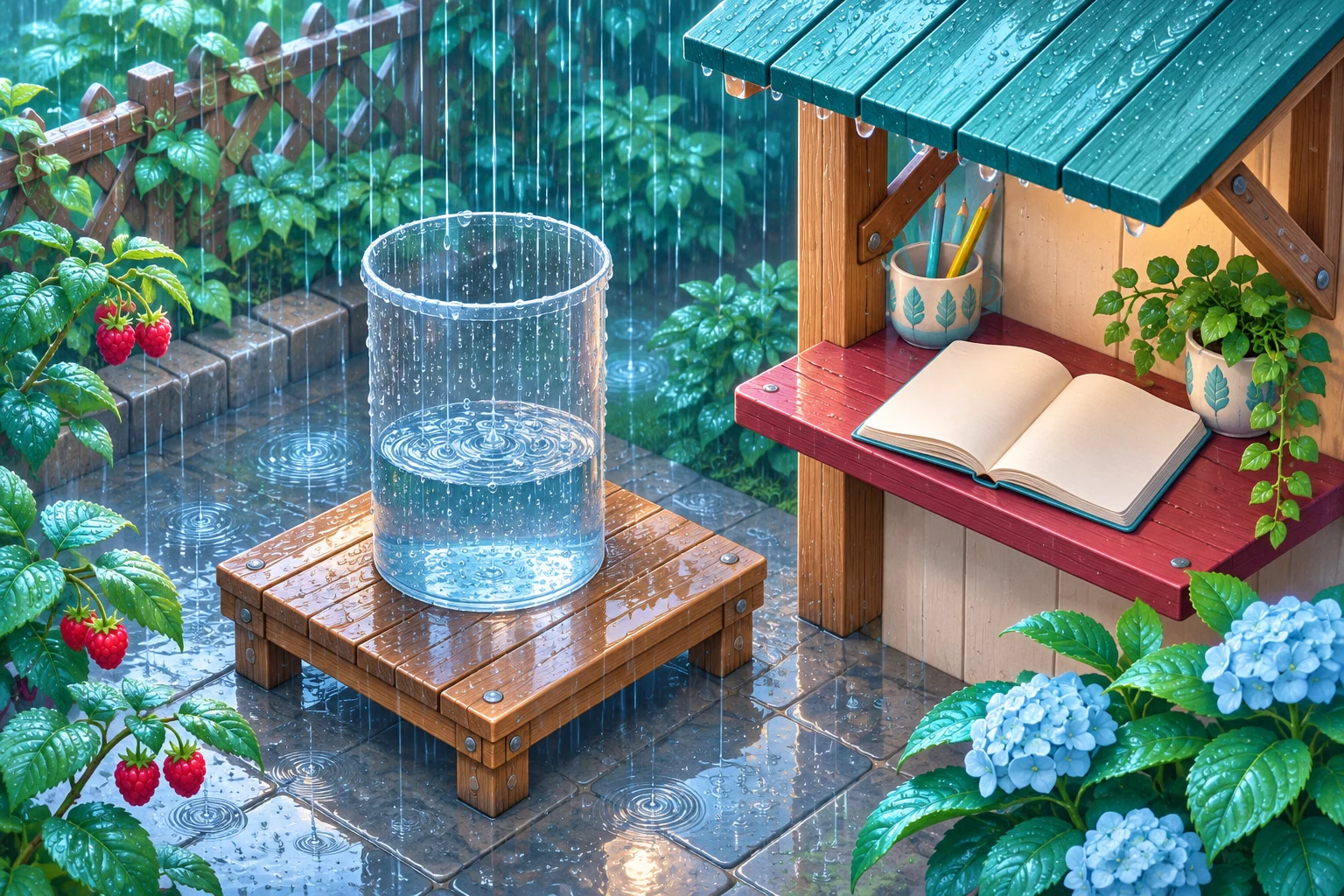
Read fictional weather cards with an adult to separate rainfall depth, average rate, timed gauge events and the details a total leaves unknown.
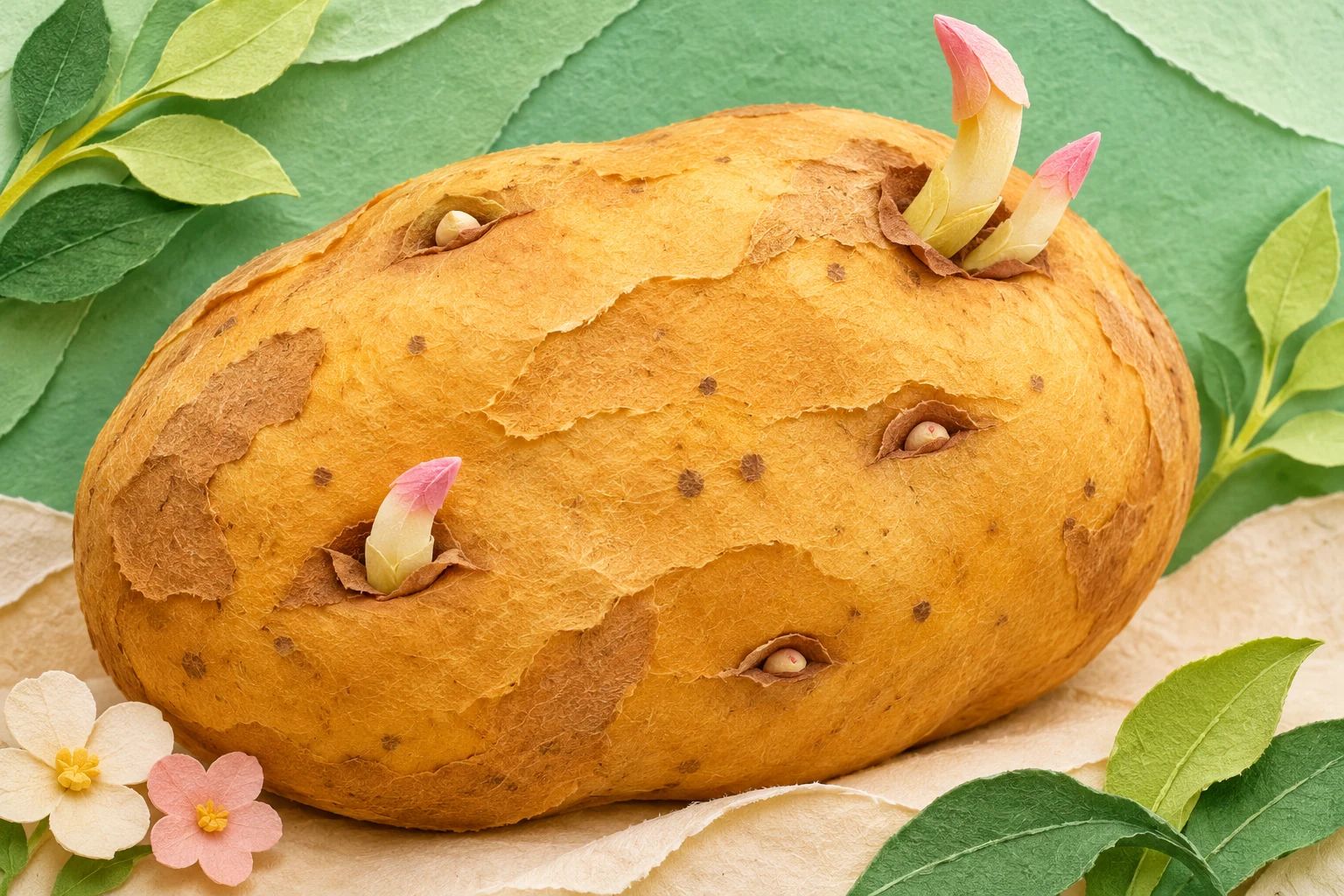
Separate eye sites, contained buds and later growth with a paper lesson on dormancy, apical dominance and the difference between sprout origins and tips.
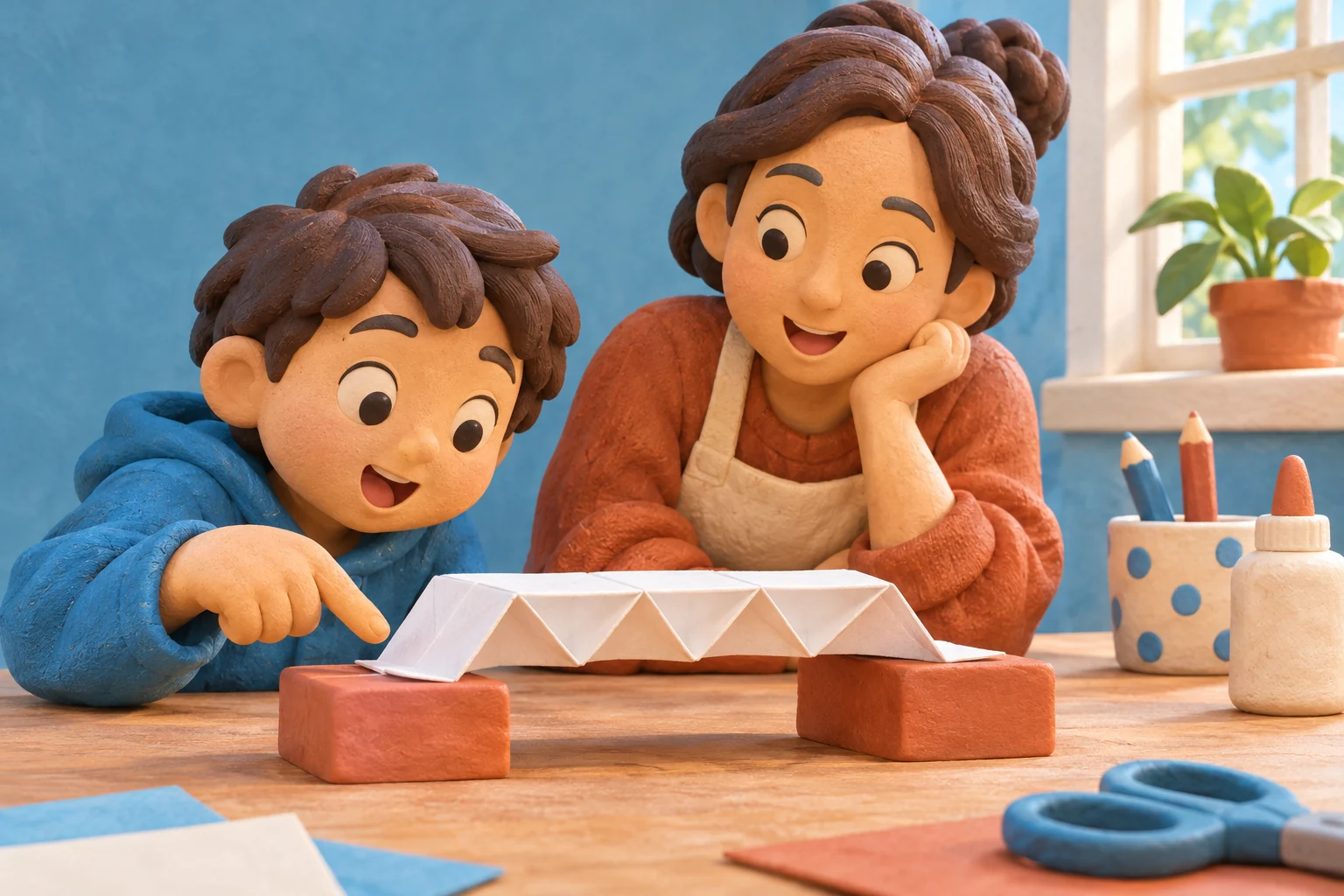
Compare three bridge drawings with a grown-up to separate full length, support gap, centre bending and the movement of an unloaded end.
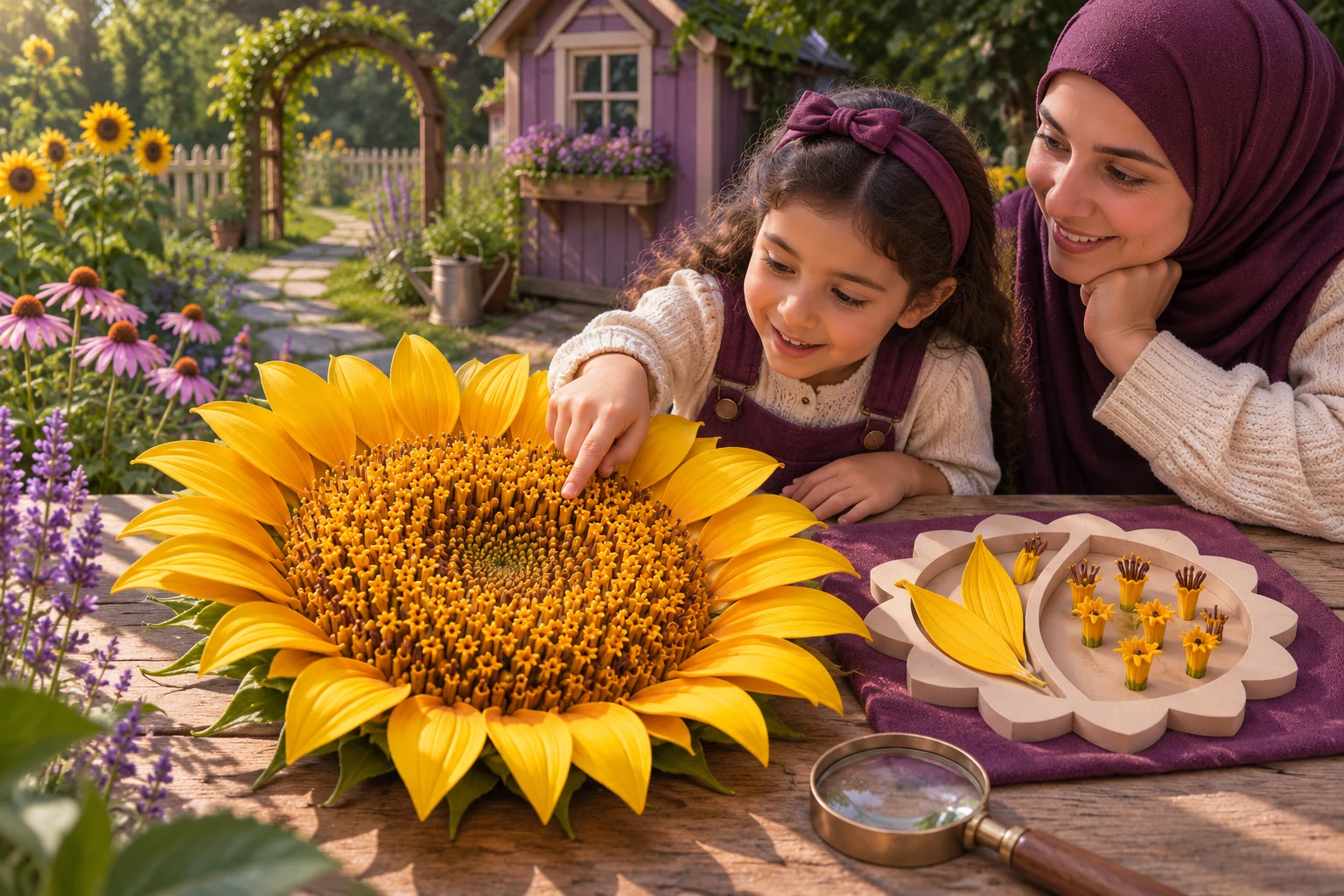
Explore ray flowers, disk flowers and fused petals with a private paper puzzle that separates a whole head from the little flowers inside it.
Follow six imaginary drops through two viewing positions to discover why different rainbow selections can still share a point.
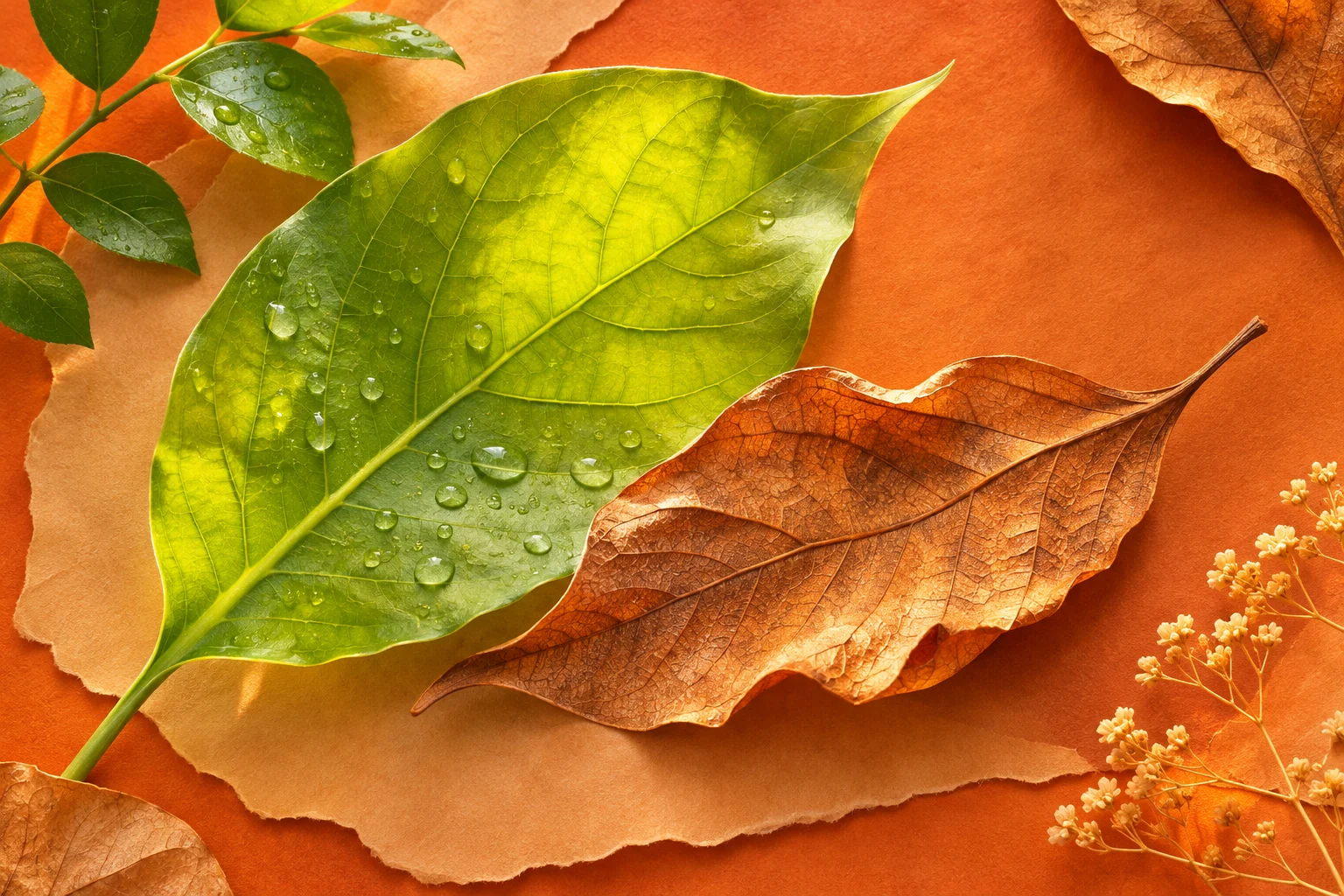
Follow light and material into a green leaf, balance a simple atom drawing, and solve three mass records that end with the same total.
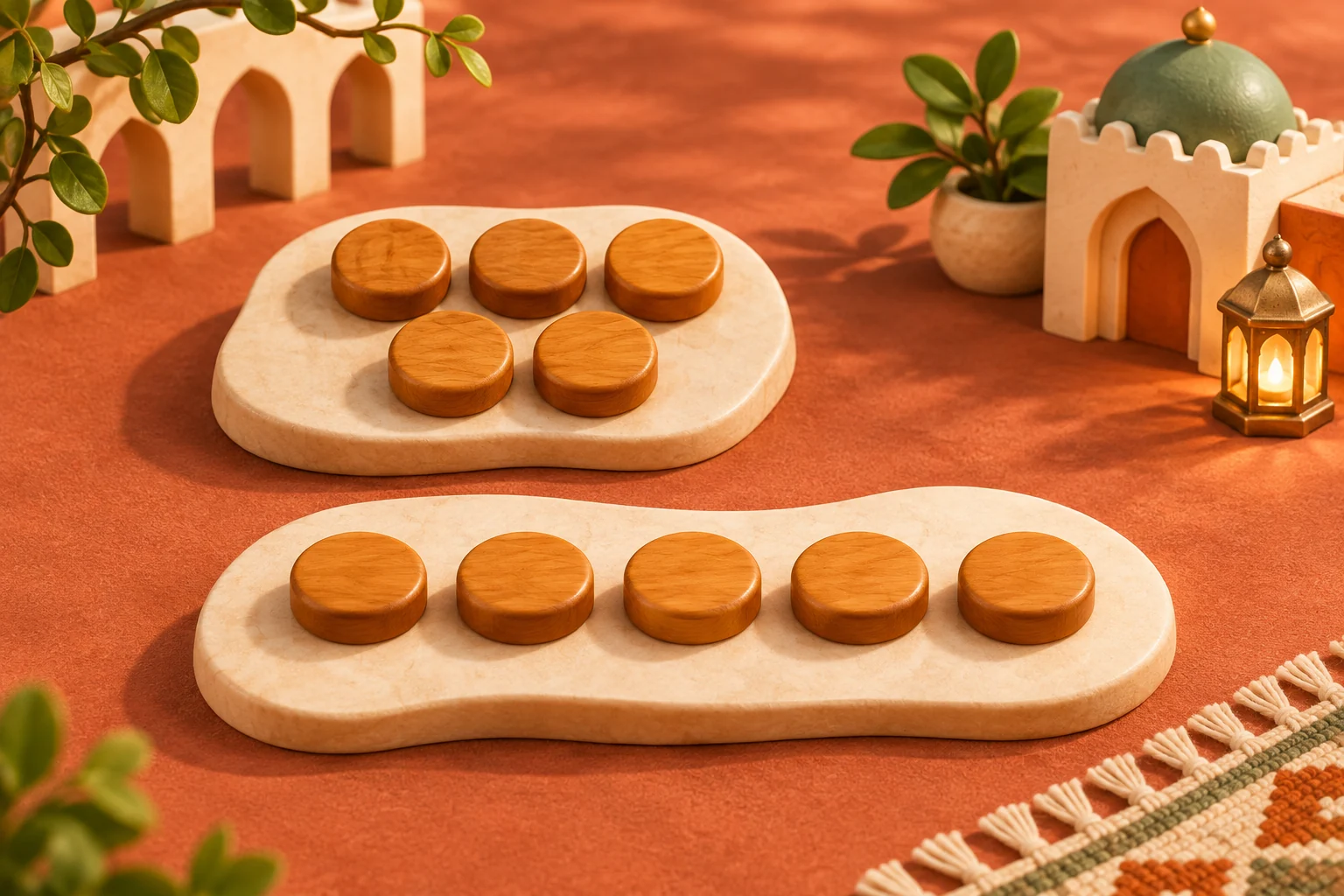
Follow eight named marks through new layouts, counting routes and groups to discover why a number needs a clear rule behind it.
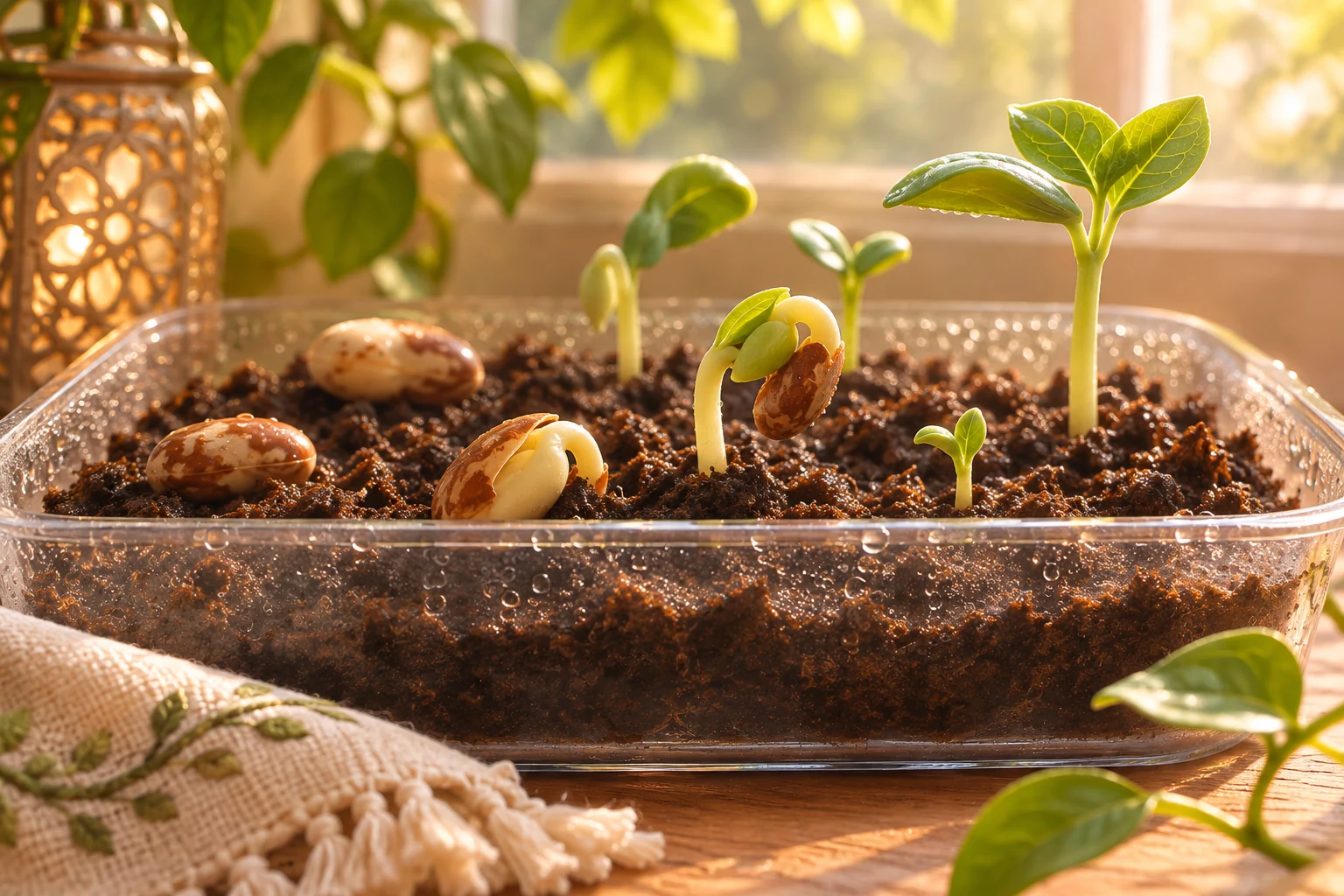
Read a fictional twelve-seed diary with a grown-up to compare first roots, shoots above the surface, daily counts and the questions a fraction can answer.
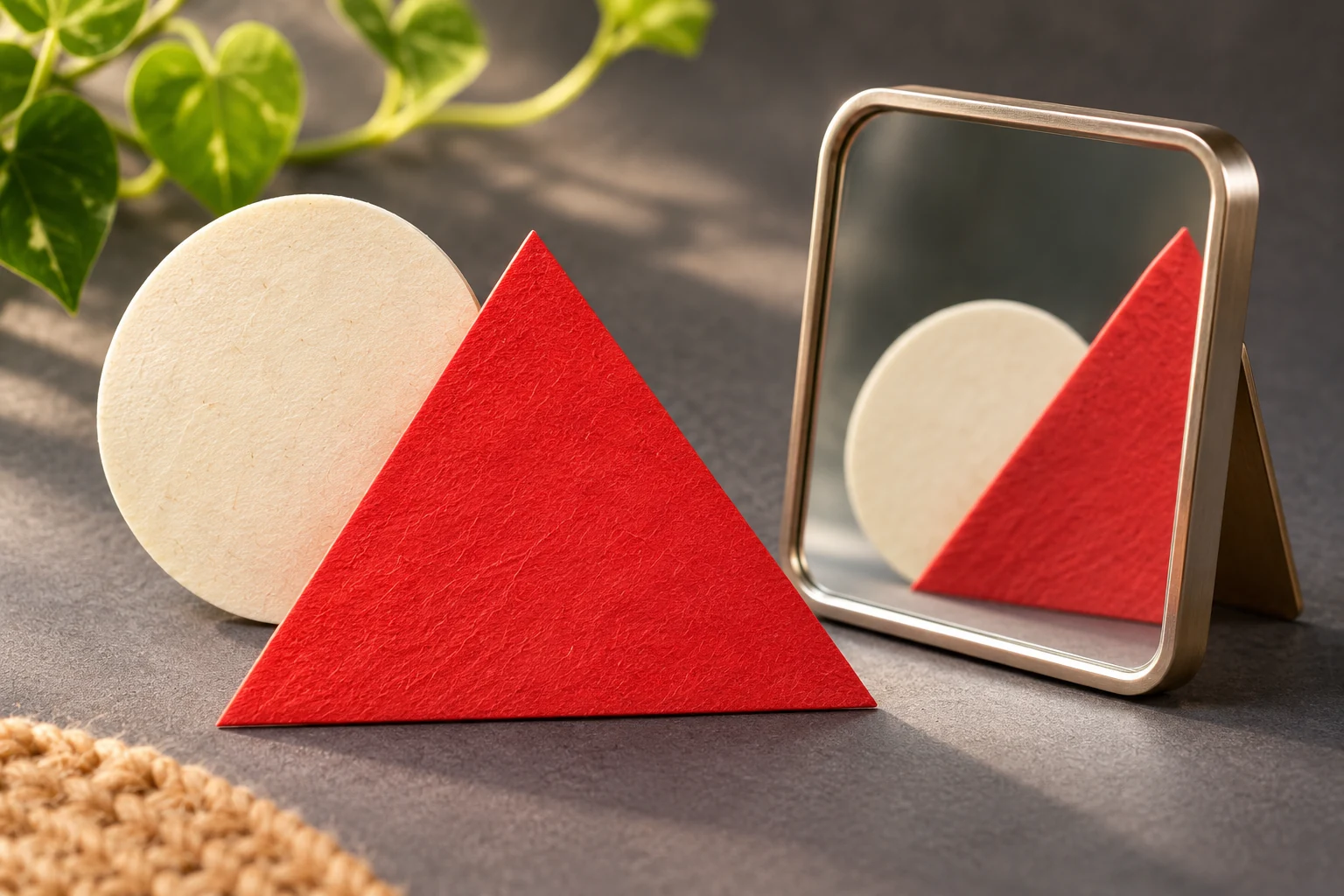
Use an original labelled triangle with a grown-up to compare slides, turns, reflections and larger copies, while keeping the matching rules clear.
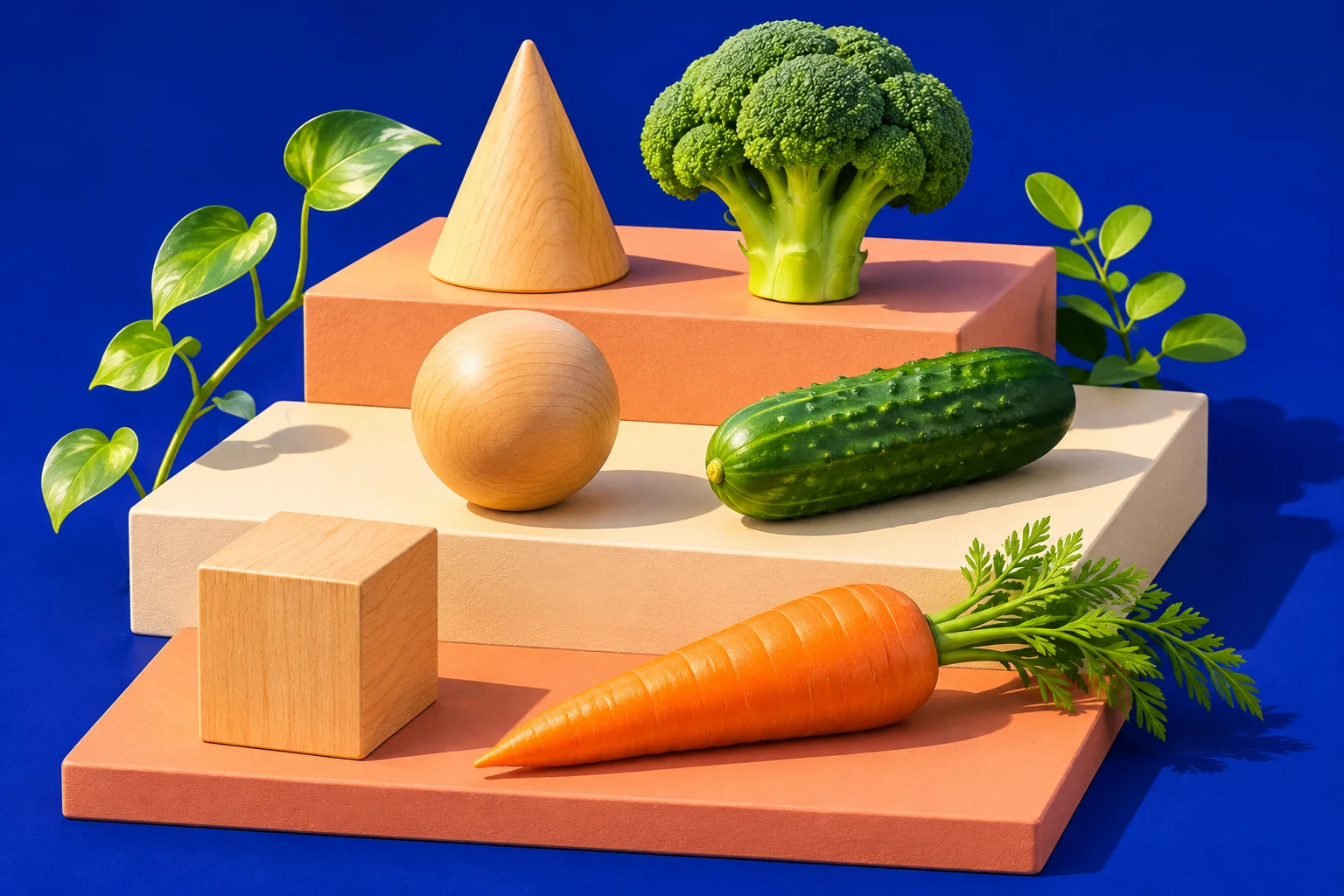
Explore six vegetable-inspired paper models with a grown-up to separate solid shapes, flat faces, named views and the clues needed to identify a card.
Explore original paper cards with a grown-up to separate cloud shapes, invisible vapor, liquid droplets, ice crystals and the information a drawing can provide.
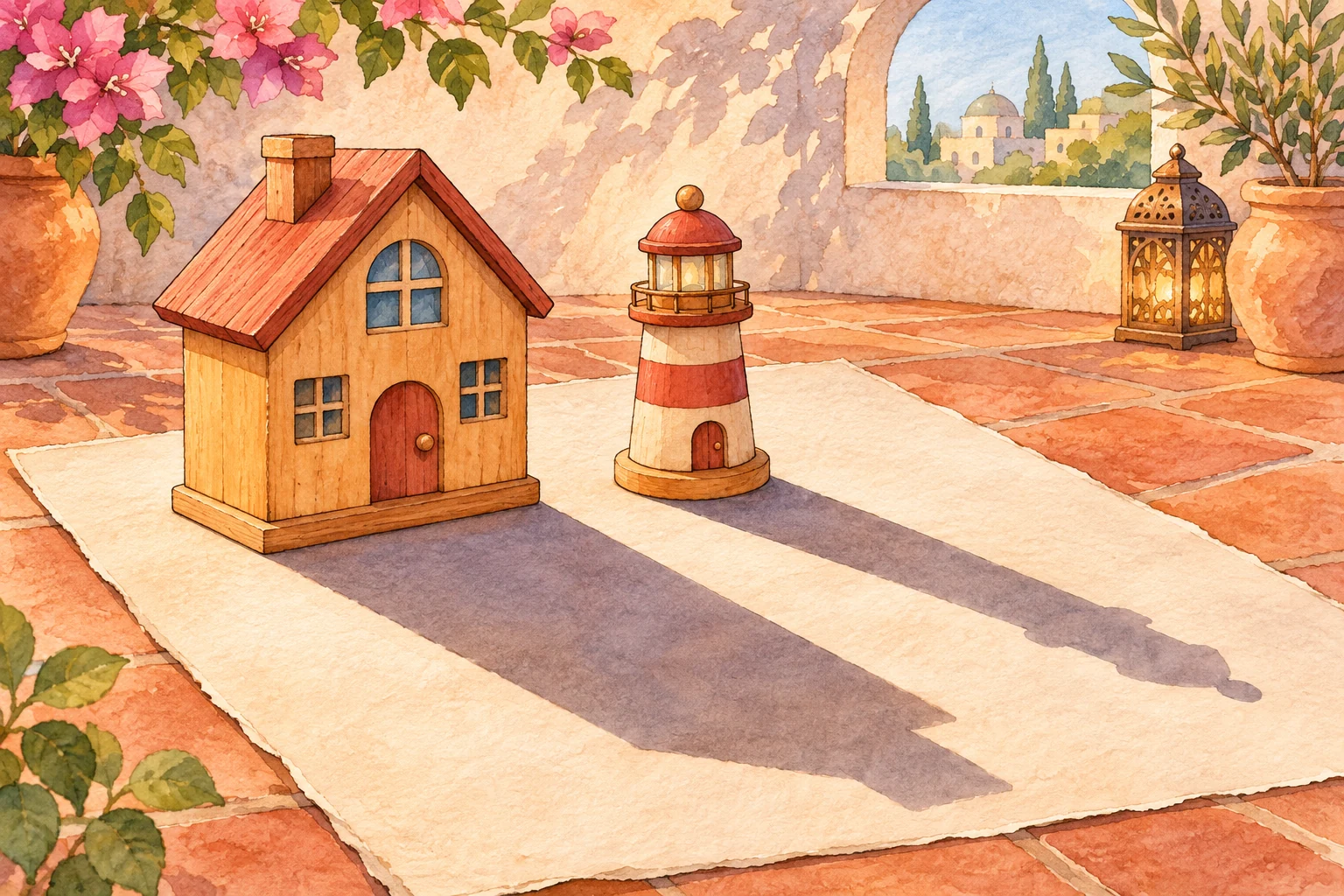
Solve original paper shadow puzzles with a grown-up, compare light directions, and discover when a known post can help you work out another height.
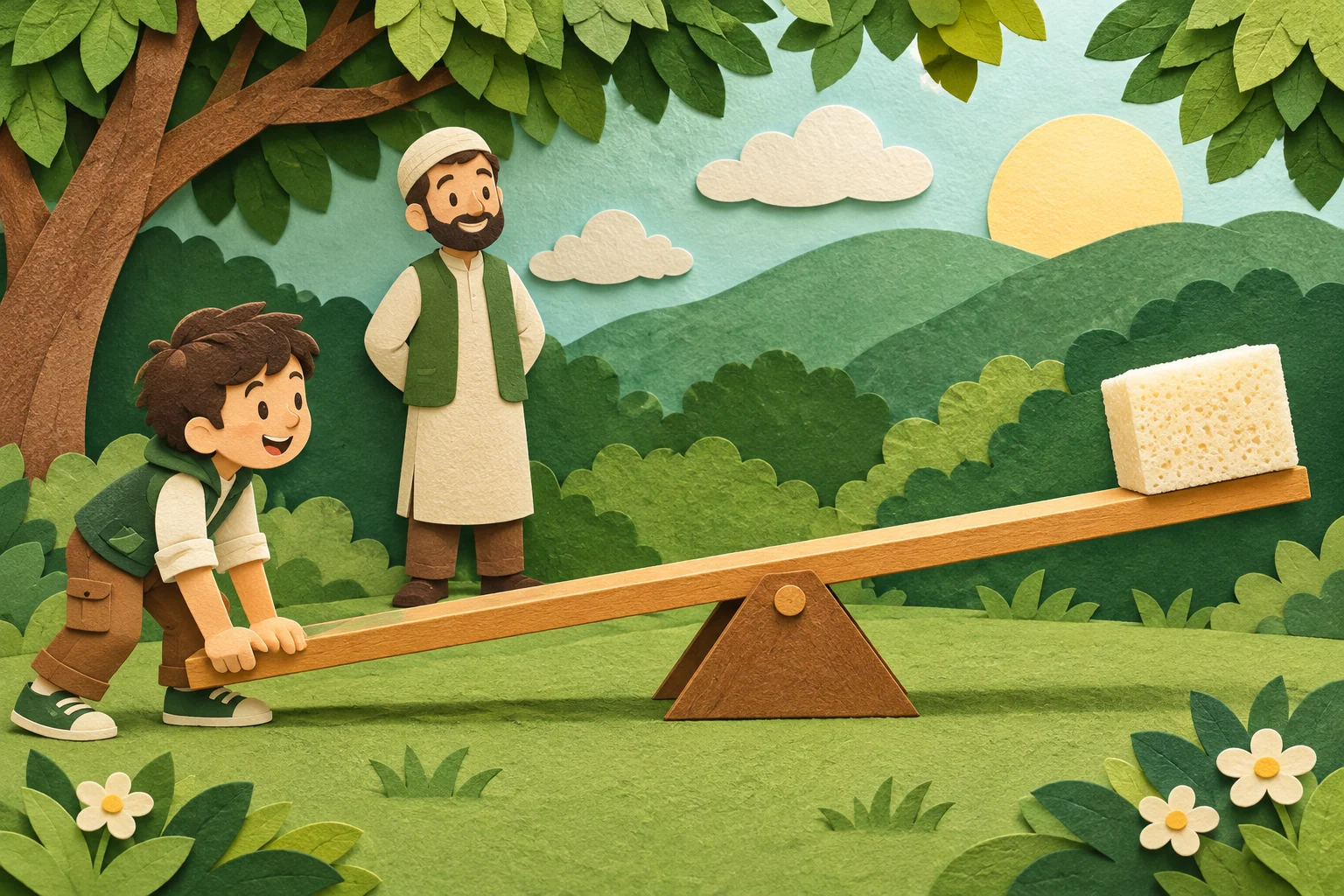
Solve an original paper lever puzzle that trades a smaller force for more movement, with clear explanations of the pivot, useful work and energy losses.
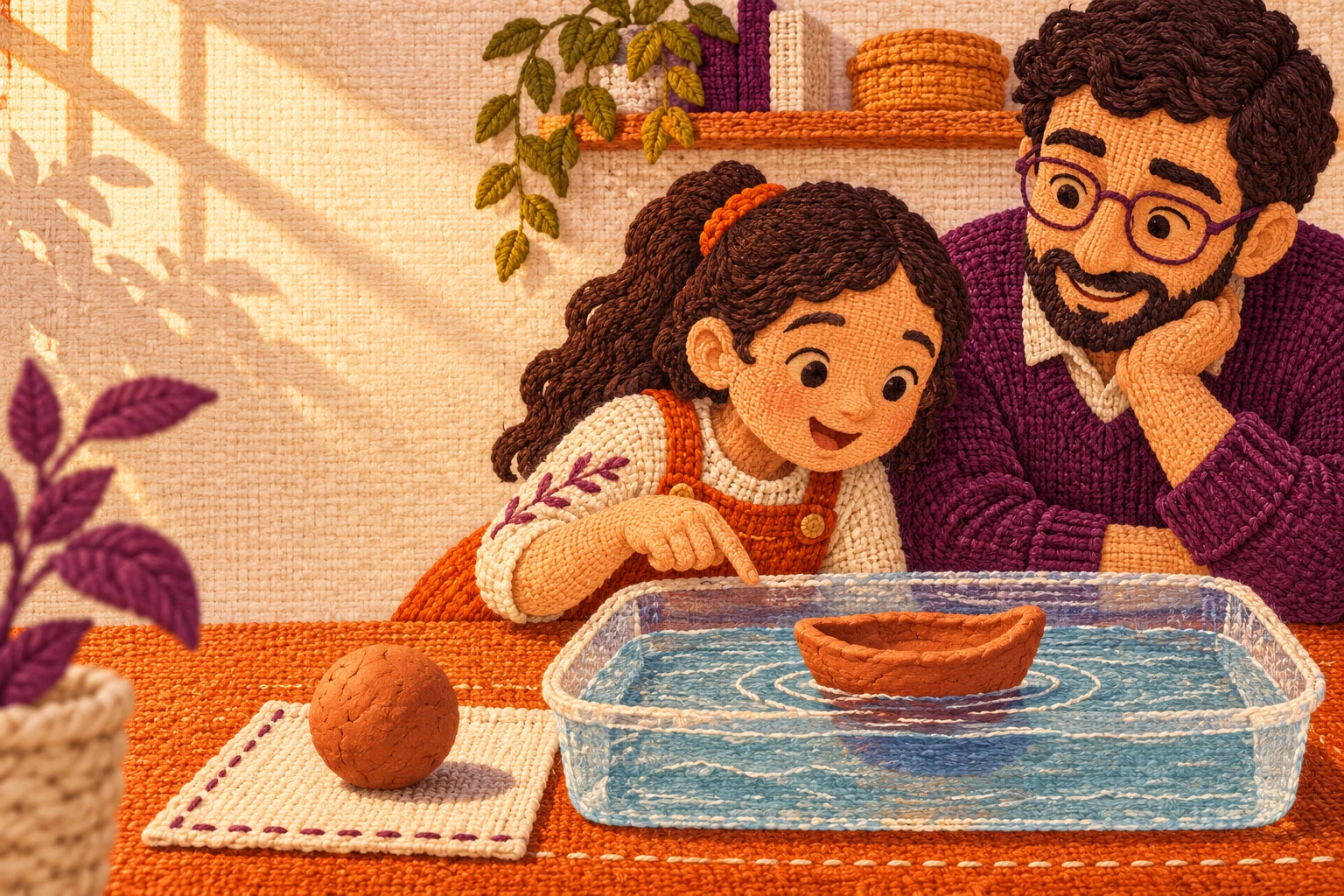
Use an original paper-only boat puzzle to follow mass, displaced water and balanced forces, with clear clues for children and a deeper explanation for grown-ups.
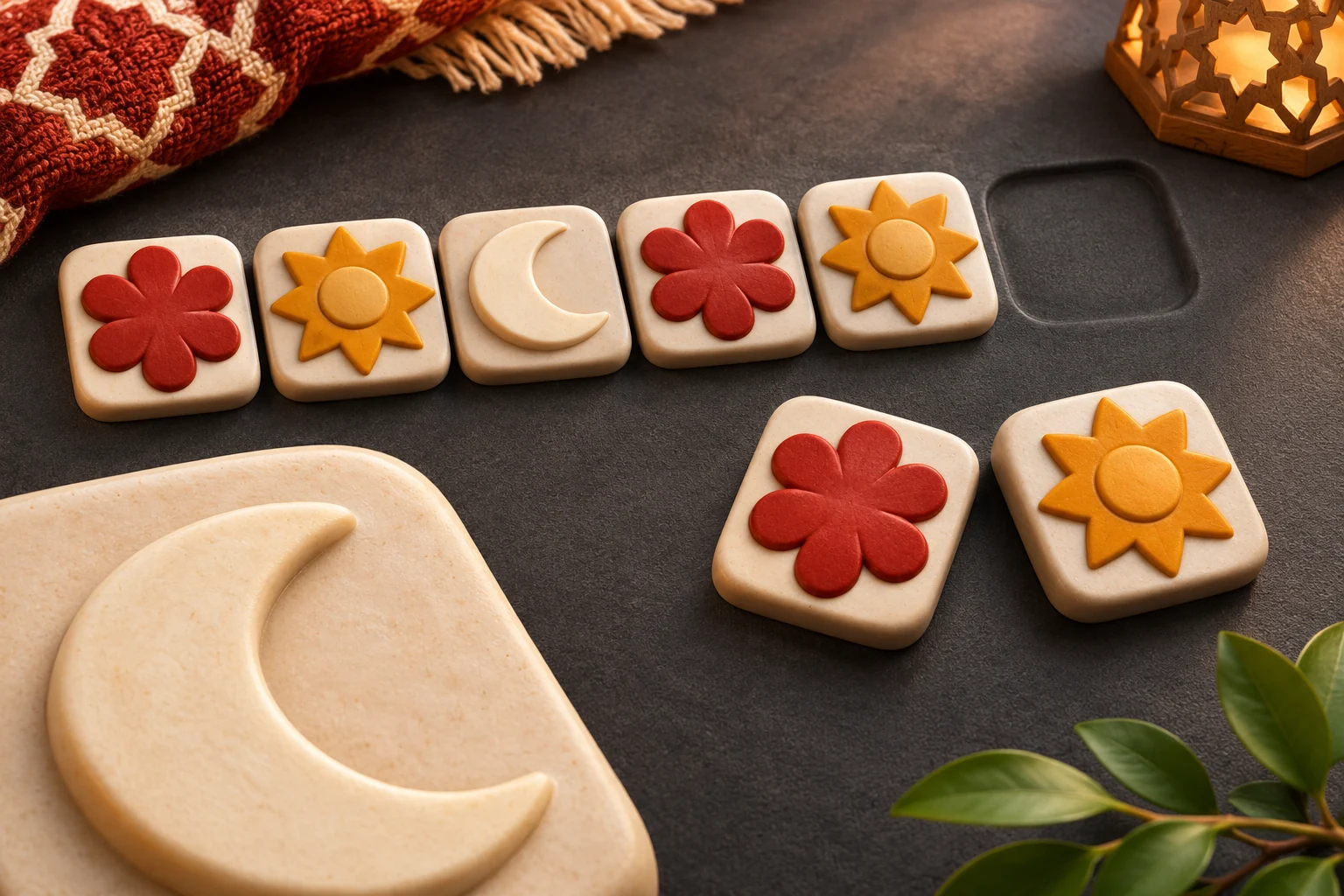
Compare original paper patterns that share a beginning, then learn how a stated rule, a repeat unit and a carefully chosen clue change what you can conclude.
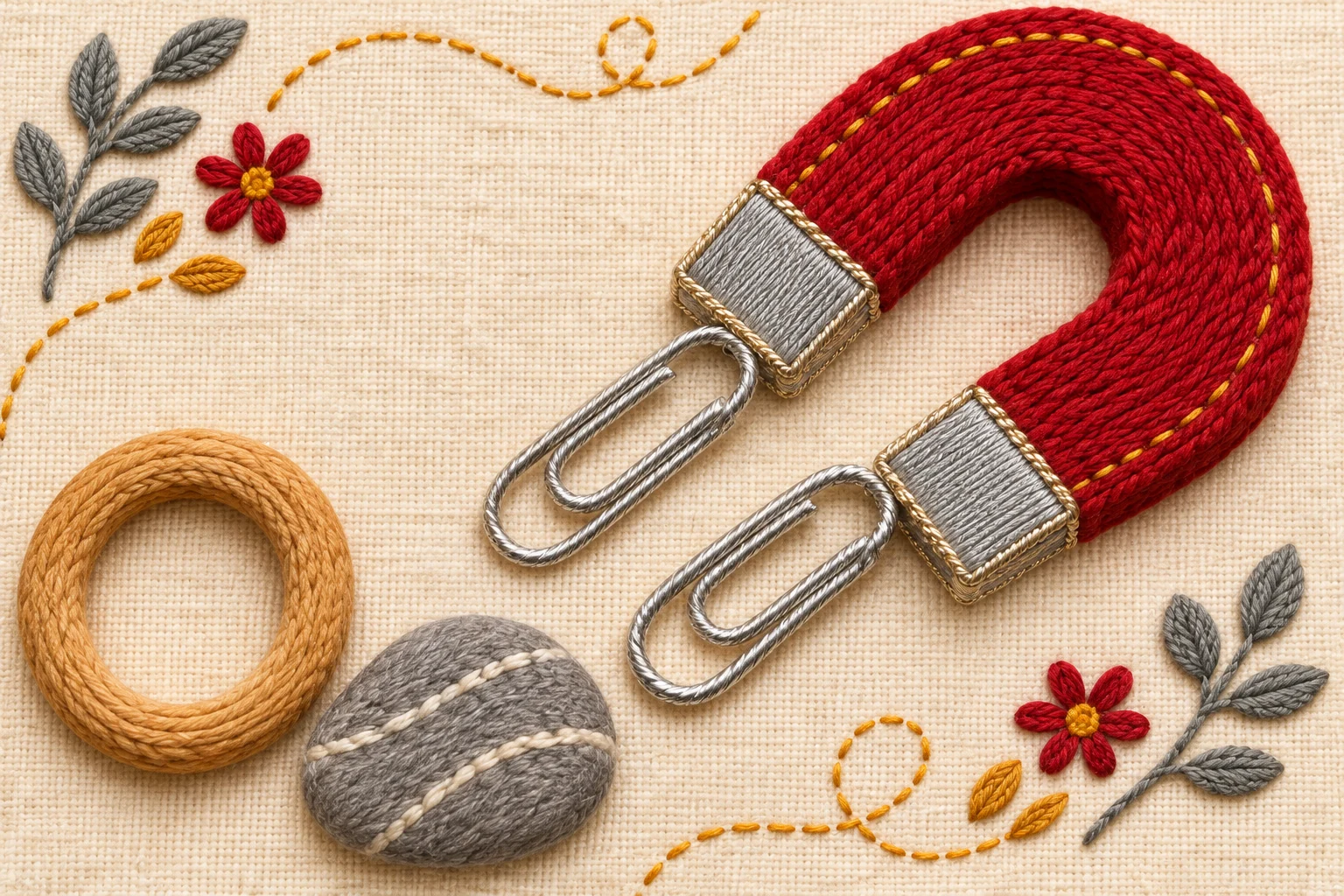
Solve an original paper-only magnet mystery with facing-pole rules, two carefully chosen clues and a clear distinction between a permanent magnet and induced attraction.
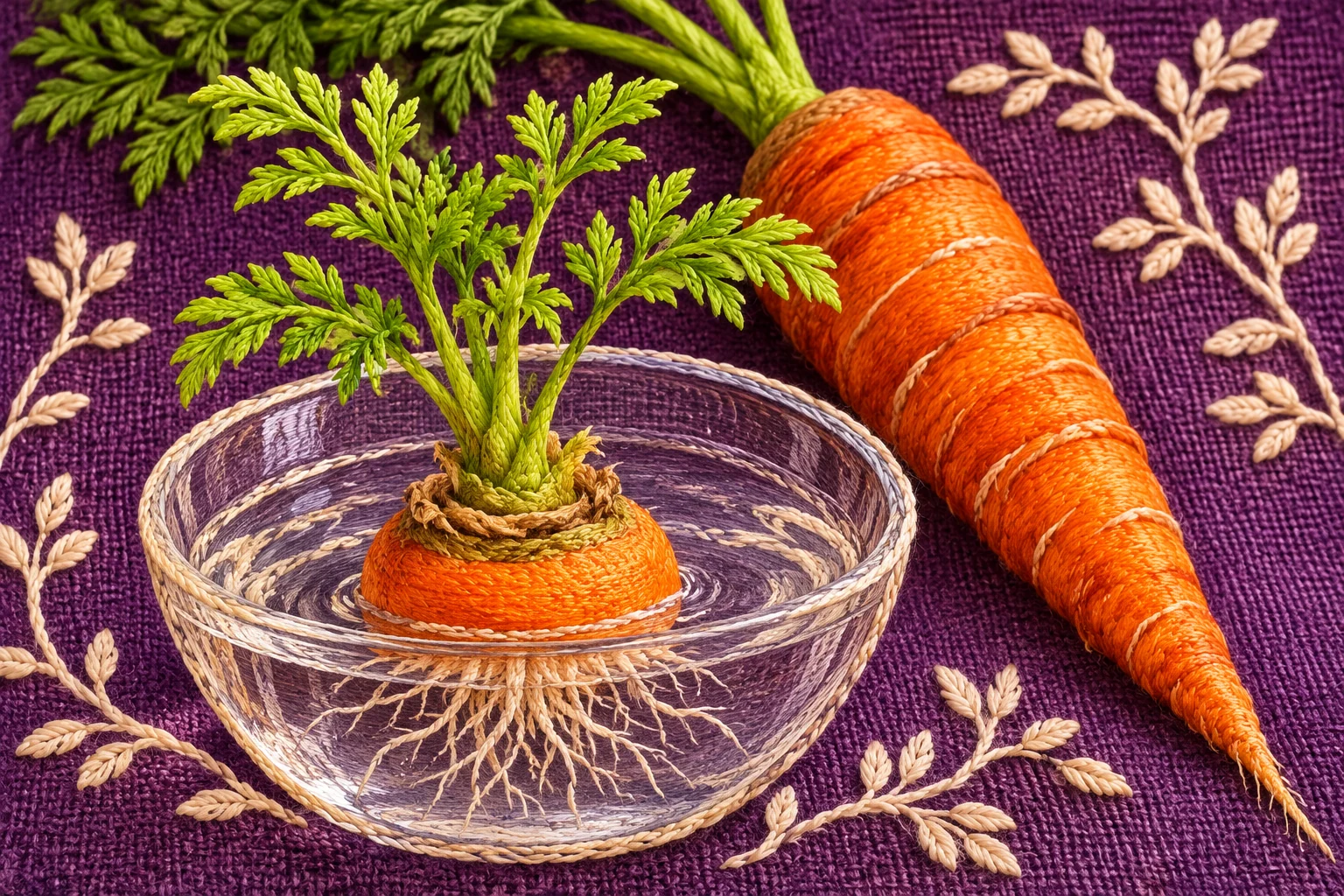
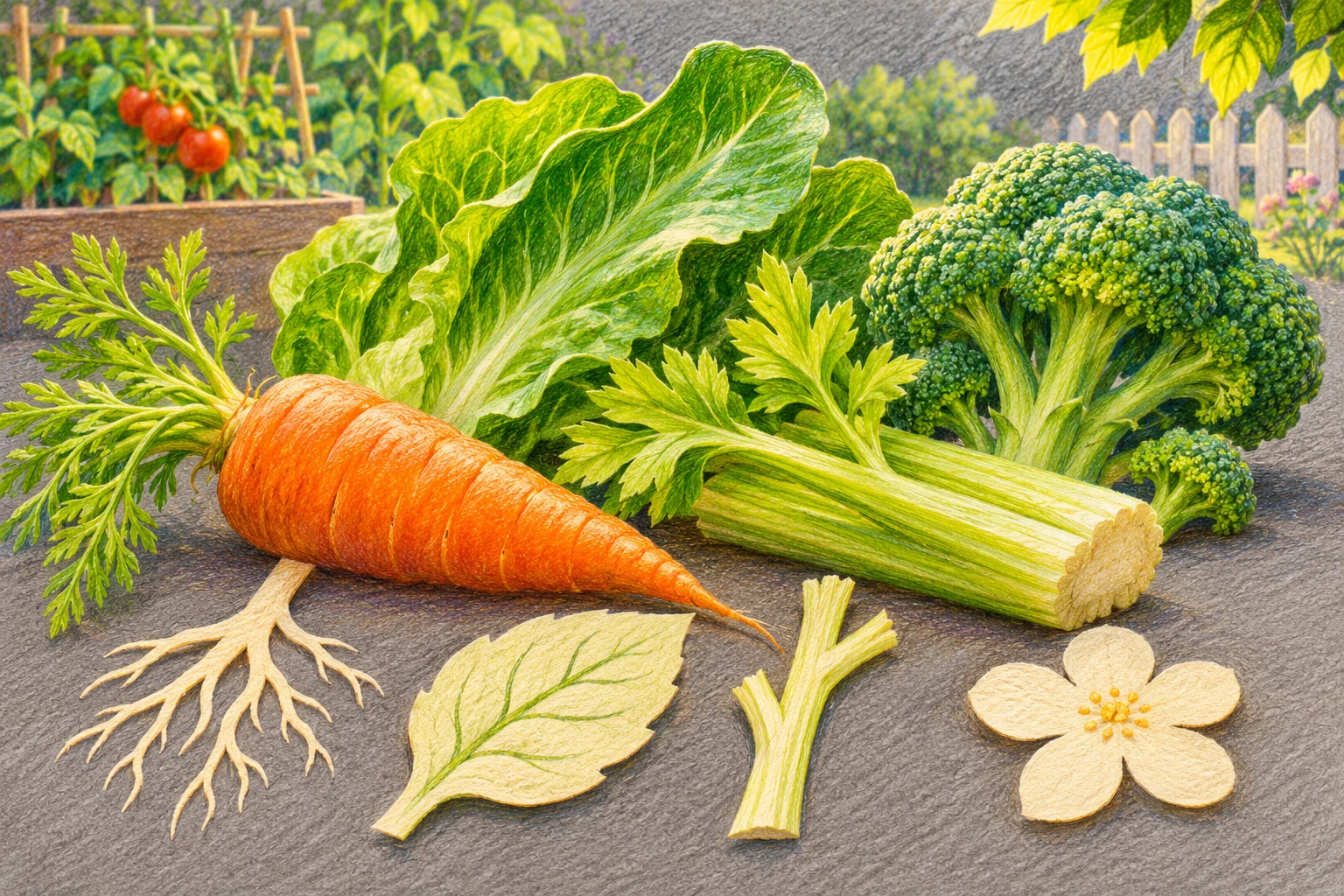
Separate leaf growth, fine roots and the storage taproot with an adult-supported drawing lesson, a life-cycle map and a simple evidence puzzle.
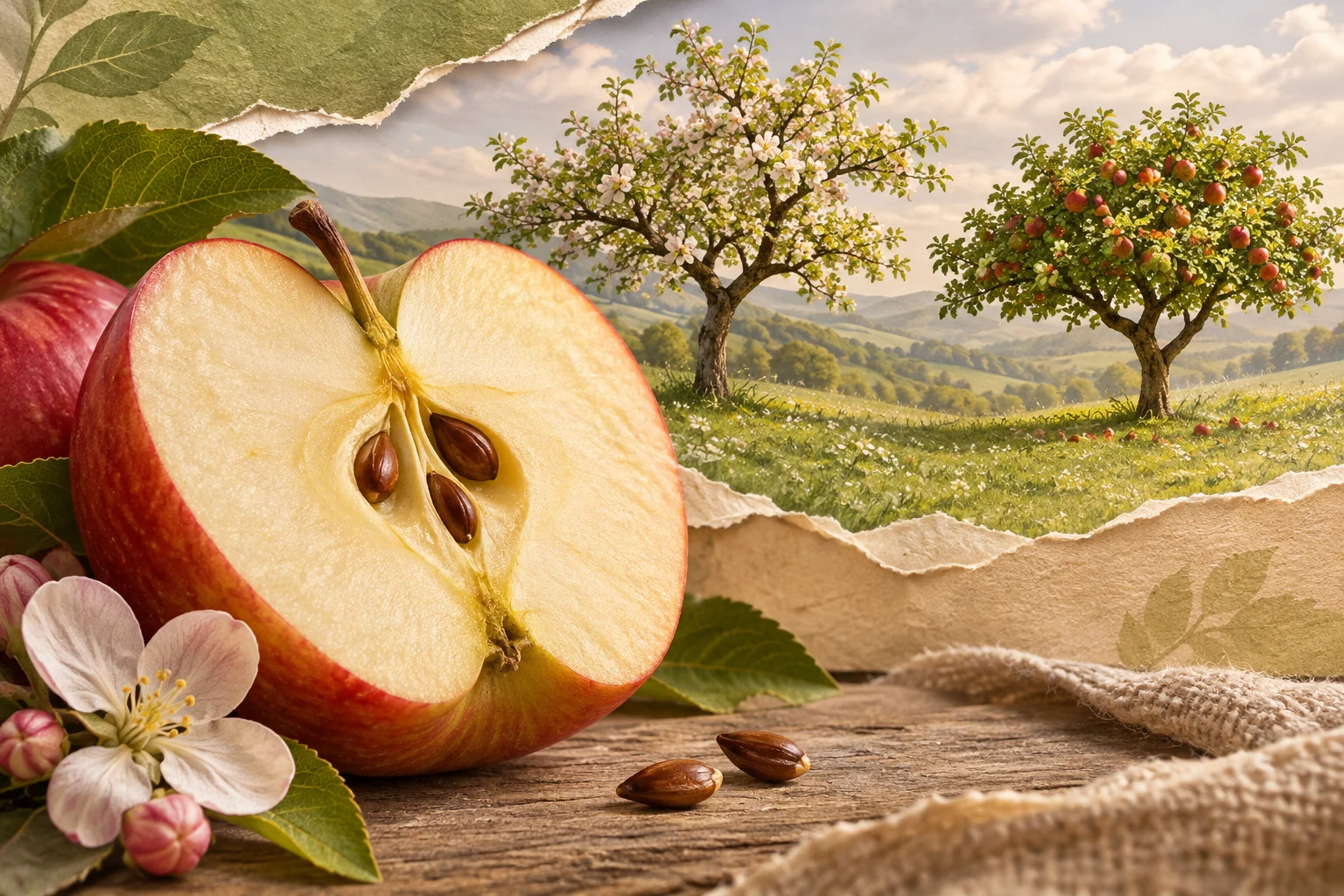
Follow an apple seed’s family story, meet the scion and rootstock, and use a safe drawing puzzle to separate a new seedling from a named variety.
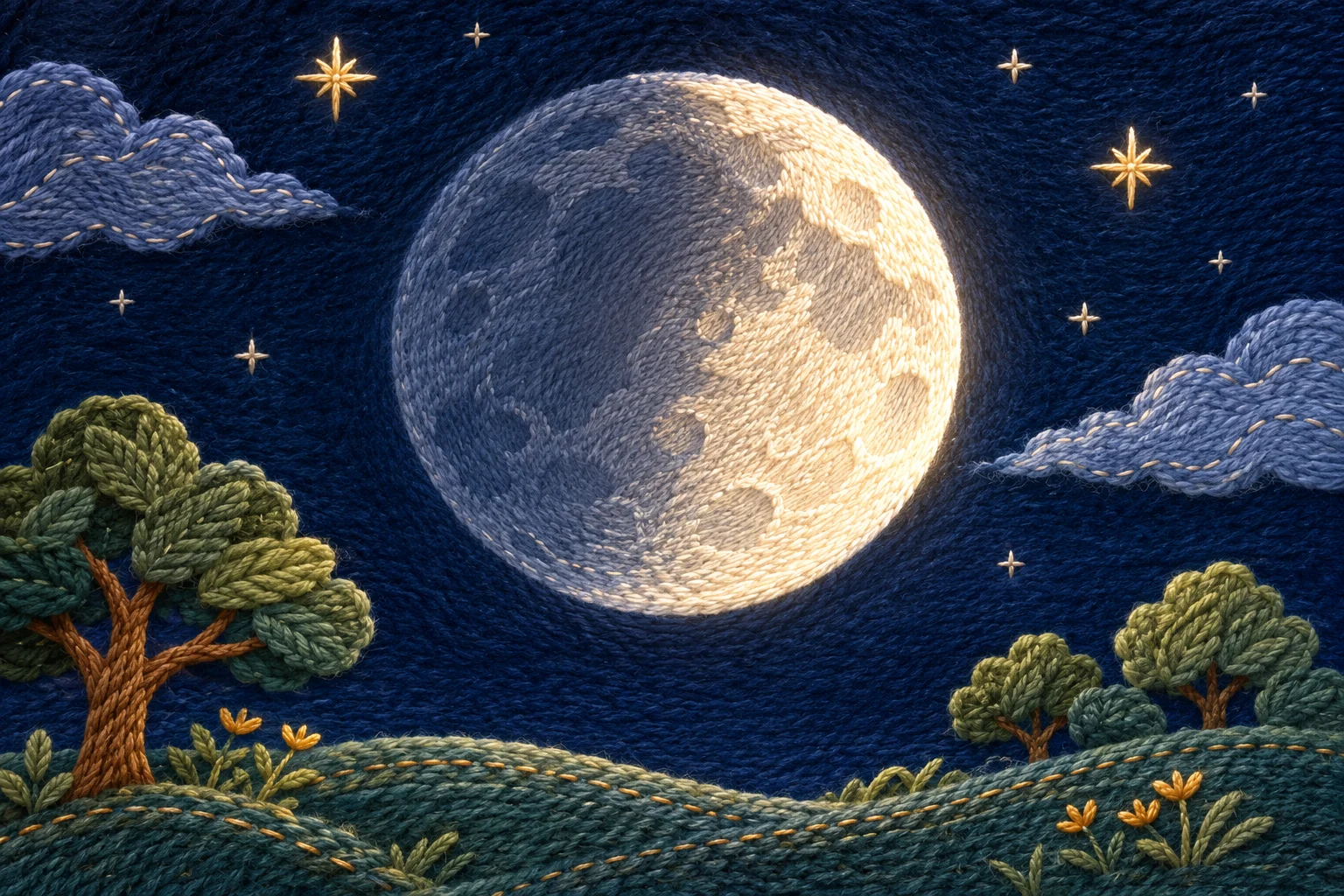
Follow sunlight and the view from Earth to explain crescents, quarter Moons and full Moons, with a safe paper model and clear limits on what a phase picture tells us.
Follow one marked place on a turning Earth, then separate a whole day from daytime, a spin from an orbit, and a simple model from the changing light outside.
Take turns, share a clue, or cheer each other on. There’s no clock to beat.